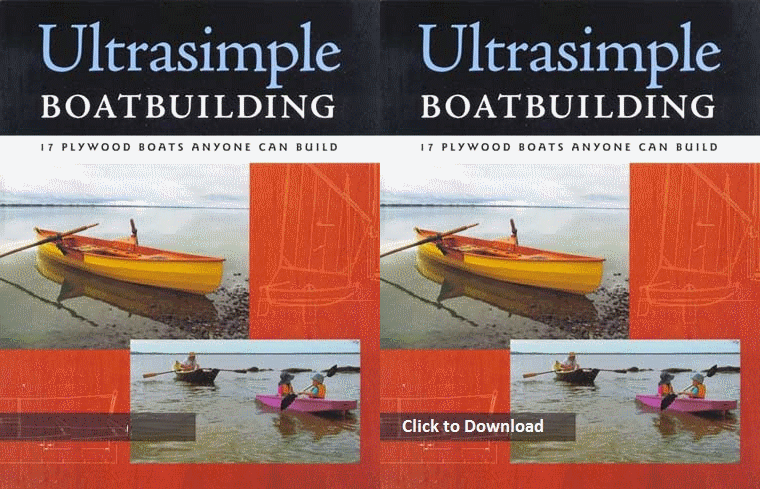


 boatplansfreeonline.blogspot.com
 Introduction: Miniature Boat Building A Fun and Engaging DIY Project Miniature boat building is a fantastic hobby that allows you to exercise your creativity, develop fine motor skills, and create unique decorative pieces. This guide will walk you through the process of crafting a simple miniature boat using readily available materials. Prepare to embark on a rewarding journey into the world of miniature maritime craftsmanship.
Gathering Your Materials: Before diving in, ensure you have the following items: Balsa wood or thin plywood Craft knife or X-Acto knife Sandpaper (various grits, such as 120, 220, and 400) Wood glue Ruler or measuring tape Pencil Optional: Paint, varnish, small decorative items (miniature flags, rope, beads)
Step 1: Designing Your Boat Hull: Sketch out the basic shape of your desired boat. Keep it simple for your first attempt. A rectangular or slightly curved hull is ideal. Decide on the dimensions of your miniature boat. A length of 6-8 inches and a width of 2-3 inches is a good starting point. Transfer your design onto the balsa wood or plywood using a pencil and ruler.
Step 2: Cutting the Hull Pieces: Carefully use the craft knife to cut out the hull pieces according to your drawn design. For a simple boat, you will likely need at least three pieces: a bottom piece and two side pieces. If you want a more complex hull shape with curved sides, you may need to cut out additional pieces. Take your time and make multiple light cuts rather than trying to cut through the wood in one pass.
Step 3: Assembling the Hull: Apply wood glue to the edges of the bottom piece where the side pieces will attach. Carefully position the side pieces onto the bottom piece, ensuring they are aligned correctly. Hold the pieces together firmly or use clamps to secure them while the glue dries. Allow ample drying time (at least 2-3 hours, or as recommended by the glue manufacturer).
Step 4: Sanding and Shaping: Once the glue is completely dry, use sandpaper to smooth out any rough edges and imperfections on the hull. Start with a coarser grit sandpaper (120) and gradually move to finer grits (220, 400) for a smooth finish. You can also use sandpaper to round the edges of the hull to give it a more realistic boat shape.
Step 5: Adding Details (Optional): At this stage, you can add details such as a deck, cabin, or mast. Cut out small pieces of balsa wood to create these details and glue them onto the hull. Get creative with the design of your miniature boat and personalize it to your liking.
Step 6: Painting and Finishing: Once you are satisfied with the shape and details of your miniature boat, you can paint it. Apply a primer coat first to ensure the paint adheres well to the wood. Choose your desired colors and paint the boat accordingly. After the paint has dried, you can apply a coat of varnish or sealant to protect the paint and give the boat a glossy finish.
Step 7: Decorating (Optional): Add small decorative items to your miniature boat to enhance its appearance. Consider adding miniature flags, rope, beads, or other small details that complement the overall design. Let your imagination run wild and create a unique and eye-catching miniature boat.
Conclusion: Celebrating Your Miniature Masterpiece: Congratulations on completing your miniature boat! You have successfully created a small-scale replica of a maritime vessel. Display your creation proudly and enjoy the satisfaction of knowing that you built it yourself. Miniature boat building is a rewarding hobby that can be enjoyed by people of all ages and skill levels. This is a stepping stone to other plans. Happy building!
Atkin & Co.
 www.atkinboatplans.com
 William Atkins Boat Plans
 boatplansfreeonline.blogspot.com
 William Atkins Boat Plans
boatplansfreeonline.blogspot.com
0 komentar:
Posting Komentar