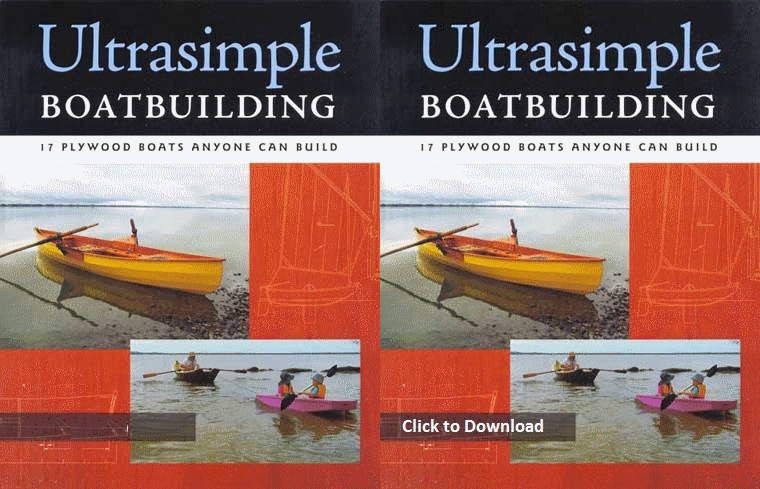


 www.woodenboat.com
 Opening: Building Your Own Nexus Boat So, you're thinking about building your own boat? That's fantastic! A Nexus boat, known for its stability and versatility, is a great choice for a DIY project. This guide will walk you through the process, step-by-step, from gathering your materials to launching your finished vessel. Be prepared for a significant time investment and dedication to detail, but the reward of sailing in a boat you built yourself is unmatched.
Step 1: Choosing Your Plans Before you even think about buying lumber, you need a solid set of plans. Nexus boat plans are readily available online, often offering different sizes and configurations. Research: Look for plans that match your skill level and desired use. Beginner plans might be simpler in design. Source: Purchase reputable plans from a trusted supplier. Ensure they include detailed drawings, a materials list, and clear instructions. Review: Thoroughly review the plans before buying any materials. Make sure you understand each step and the quantities of materials required.
Step 2: Gathering Materials and Tools Once you have your plans, the next step is to gather all the necessary materials and tools. This is a crucial step to prevent delays later on. Lumber: Marine-grade plywood is often the material of choice for Nexus boats. Consult your plans for specific types and dimensions. Epoxy Resin and Hardener: High-quality epoxy is essential for bonding and waterproofing. Fiberglass Cloth: For added strength and durability, fiberglass cloth is typically applied to the exterior. Fasteners: Use marine-grade screws, bolts, and nails that are resistant to corrosion. Tools: You'll need a variety of tools, including a saw (circular saw, jigsaw), drill, sander, measuring tools, clamps, epoxy mixing supplies, and safety gear (gloves, mask, eye protection).
Step 3: Building the Hull The hull is the main body of the boat. This is usually the most time-consuming part of the project. Frame Assembly: Construct the frame according to the plans. Accuracy is crucial at this stage to ensure the hull is symmetrical. Use temporary fasteners and clamps to hold the frame together while you check for alignment. Planking: Attach the plywood planks to the frame, following the plans meticulously. Use epoxy and screws to secure the planks. Seam Treatment: Apply epoxy filler to the seams between the planks and sand smooth. This will create a watertight seal. Fiberglassing (Optional): Apply fiberglass cloth to the exterior of the hull, saturating it with epoxy resin. This will add significant strength and water resistance. Allow the epoxy to cure completely and then sand smooth.
Step 4: Interior Construction With the hull complete, you can move on to the interior. This includes features like seating, storage, and any other custom elements. Bulkheads and Stringers: Install bulkheads for structural support and stringers to reinforce the hull. Seating and Storage: Build and install any seating, storage compartments, or other interior features according to your plans. Finishing: Sand and paint or varnish the interior surfaces for a clean and professional look.
Step 5: Deck Construction The deck provides a surface to walk on and helps to enclose the boat. Deck Framing: Construct the frame for the deck, ensuring it aligns properly with the hull. Deck Planking: Attach the plywood planks to the deck frame, using epoxy and screws. Hardware Installation: Install any deck hardware, such as cleats, handrails, and hatches. Finishing: Sand and paint or varnish the deck surface. Consider adding non-skid surfaces for safety.
Step 6: Finishing Touches and Launching The final steps involve adding the finishing touches and preparing the boat for launch. Painting/Varnishing: Apply several coats of marine-grade paint or varnish to the entire boat to protect it from the elements. Hardware Installation: Install any remaining hardware, such as the rudder, tiller, or motor. Safety Equipment: Equip the boat with all necessary safety equipment, including life jackets, flares, and a first-aid kit. Launching: Carefully launch the boat and test all systems to ensure they are functioning properly. Start with a calm water test before venturing into more challenging conditions.
Conclusion: Your DIY Nexus Boat Adventure Building a Nexus boat is a challenging but rewarding project. By following these steps and paying close attention to detail, you can create a boat that you can be proud of. Remember to prioritize safety throughout the process and enjoy the journey! Good luck and happy sailing!
Boat Plans & Kits
www.woodenboat.com Boat Plans For The 21' Nexus Dory
 www.pinterest.com
 Boat Plans Nexus
 canoewithkayakpaddle.blogspot.com
0 komentar:
Posting Komentar