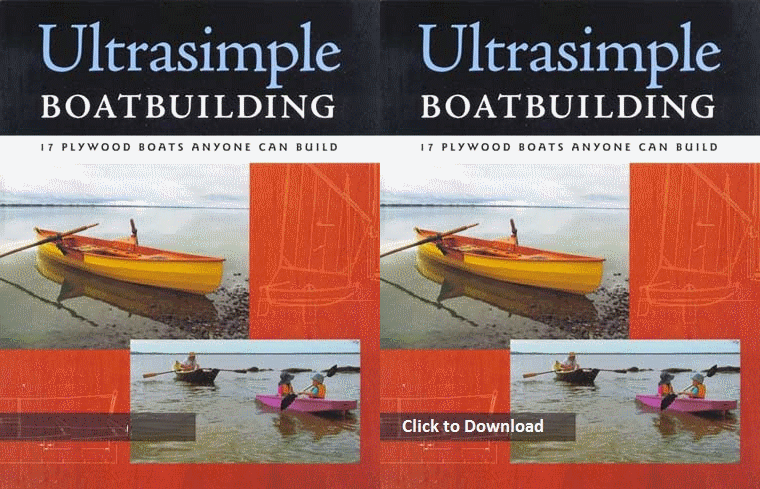


 exomtfjnf.blob.core.windows.net
 Opening: Ahoy Mateys! Let's Build a Skiff! Thinking about hitting the water but not wanting to break the bank? A DIY skiff boat could be just the ticket! This post provides a simplified, step-by-step guide to constructing a small, basic skiff. Remember, safety first! Always wear appropriate personal protective equipment (PPE) and consult with experienced builders if you're unsure about any step. This guide assumes a basic level of woodworking knowledge.
Step 1: Gather Your Materials and Tools Before you even think about cutting wood, make sure you have everything you need. This will save you a lot of time and frustration later. Here's a basic list:
- Lumber: Marine-grade plywood (e.g., Okoume) is ideal for its durability and resistance to water damage. Pine or fir can be used for the framing. The exact amount will depend on your chosen plans.
- Fasteners: Stainless steel screws and epoxy are crucial for creating strong, waterproof joints. Avoid using nails, as they tend to loosen over time.
- Epoxy Resin and Hardener: This is your best friend for waterproofing and bonding. Choose a marine-grade epoxy specifically designed for boat building.
- Fiberglass Cloth: Used for reinforcing seams and creating a durable, waterproof hull.
- Paint/Varnish: Marine-grade paint or varnish will protect the wood from the elements.
- Tools: Saw (circular saw, jigsaw, or hand saw), drill, sander, clamps, measuring tape, pencil, safety glasses, gloves, respirator (for epoxy fumes).
Step 2: Obtain and Study Your Plans Don't just wing it! Find a set of skiff boat plans that suits your skill level and desired size. Numerous free and paid plans are available online. Carefully review the plans and understand all the dimensions, angles, and construction techniques before you start cutting. Make sure the plans are clear, detailed, and provide a comprehensive materials list.
Step 3: Cut the Plywood Panels Using your plans as a guide, carefully measure and cut the plywood panels for the hull, sides, and transom. Accuracy is key here. Use a sharp saw to ensure clean cuts and minimize splintering. A circular saw with a guide is helpful for long, straight cuts. Label each panel clearly as you cut it to avoid confusion later.
Step 4: Assemble the Frame Construct the internal frame of the skiff according to your plans. This typically involves building a keel, frames (ribs), and a transom. Use epoxy and screws to create strong, rigid joints. Clamps are essential for holding the pieces in place while the epoxy cures. Ensure the frame is square and aligned properly before proceeding.
Step 5: Attach the Plywood Panels to the Frame This is where the boat starts to take shape! Carefully attach the plywood hull panels to the frame. This may involve bending or shaping the plywood to conform to the curves of the frame. Use clamps and temporary fasteners to hold the panels in place while you apply epoxy and screw them to the frame. Work in sections, allowing the epoxy to cure before moving on.
Step 6: Apply Fiberglass and Epoxy to the Seams Once the hull panels are attached, reinforce the seams with fiberglass cloth and epoxy. This will create a strong, waterproof bond and prevent leaks. Cut the fiberglass cloth to the appropriate width and apply it to the seams using a brush or roller. Saturate the cloth with epoxy, ensuring there are no air bubbles. Allow the epoxy to cure completely.
Step 7: Sand and Finish the Hull After the epoxy has cured, sand the hull smooth using progressively finer grits of sandpaper. This will prepare the surface for painting or varnishing. Remove any dust or debris before applying the finish. Apply several coats of marine-grade paint or varnish, following the manufacturer's instructions. This will protect the wood from the elements and give your skiff a professional look.
Step 8: Add Final Touches and Accessories Now it's time to add any final touches and accessories, such as seats, oar locks, a rub rail, or a small motor mount (if desired). Make sure all fittings are properly installed and secured. Double-check all your work before launching your skiff.
Conclusion: Bon Voyage! Congratulations, you've built your own skiff! Remember to always wear a life jacket and follow safe boating practices when on the water. Test your skiff in calm waters first to ensure it's stable and seaworthy. With proper care and maintenance, your DIY skiff will provide years of enjoyment. Happy boating!
What To Do When You Feel Small
 joycemeyer.org
 Small Dog Breed For Sale At Johnnie Sharp Blog
exomtfjnf.blob.core.windows.net 10,000+ Best Small Photos · 100% Free Download · Pexels Stock Photos
 www.pexels.com
0 komentar:
Posting Komentar